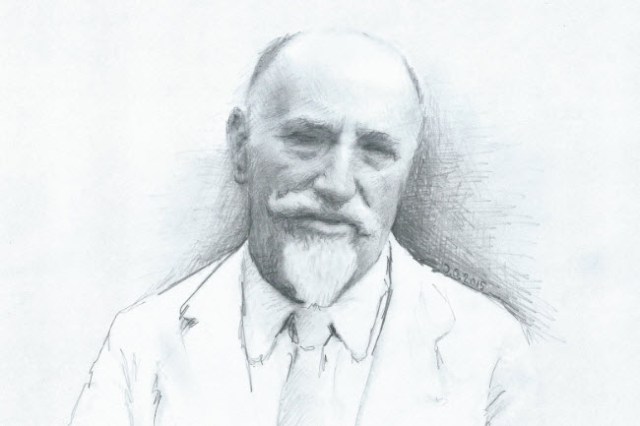
 Feliks Koneczny
At the beginning of the 20 century, a new science was born in Europe. It was allowed to grow for three decades before being classified and contained in secret institutions. It was called “Historiosophy” or Philosophy of History. One of the leading representatives of Historiosophy was Prof. Feliks Koneczny at the University of Vilno.
Koneczny believed that civilizations were formed by people sharing common priorities and common cultural values. He argued that historical changes have always been enabled by dynamically changing values and priorities. His work concentrated on these values and on five domains of human activities in which all these values originated and existed. Following is a short summary of his core theory.




 Never has a pandemic or epidemic come back in waves in the middle of summer, in all Western countries at exactly the same time, simultaneously. And here we are, “the wave” is back in the US, in Canada, in Europe, and in Australia, during the same week – as if ordered and promptly executed – although travel is suspended or reduced and contacts between continents are limited. This alone causes suspicion about the pandemic. Curiously, it has come back mainly through leftist media and in areas controlled by leftist governments. It looks like a bogus script with far-reaching goals that are unrelated to health and imposed on our consciousness by fear-mongering propaganda. Unfortunately, many people do not question the “news” and willingly follow imposed on them restrictions.



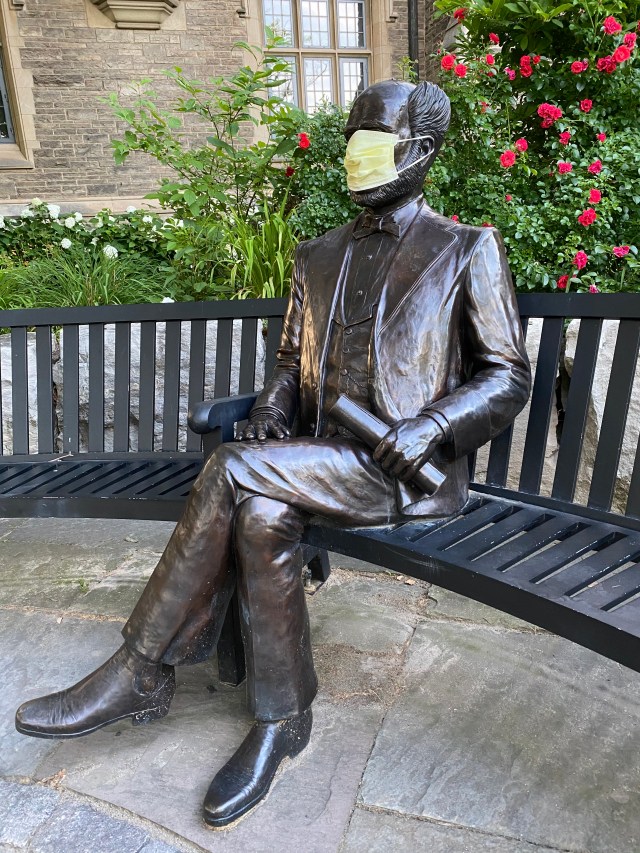
 The COV-19 vaccine is now front page news. Yet the first tests were conducted in mid-March and there was virtually no coverage.


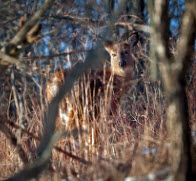
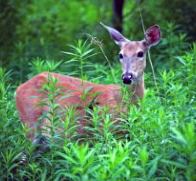
 The official justification for the annual deer hunt in Dundas Valley Conservation Area (DVCA) has been eliminated and compromised. The alleged deer overpopulation no longer exists and the so called “Nanfan Treaty” turned out to be a historical and legal hoax. But the hunt continues. Unacceptable changes are happening all around us – in the protection of our conservation areas and wildlife, in public access and use of recreational areas, and in the city.
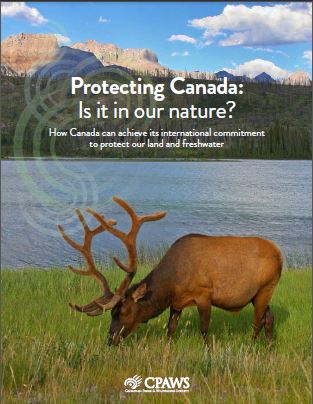 On Monday, we released our 7th annual Parks Report assessing Canada’s progress towards its international commitment to protect at least 17% of our land and fresh water by 2020, and to improve the quality of our protected areas. This is an important next step towards CPAWS’ long term goal of protecting at least half of our public land and water. The bottom line is that Canada is falling behind most other countries, and urgently needs a plan to catch up!